
From Crisis to Recovery
- PNoppers
- Mar 16, 2024
- 8 min read
Updated: Mar 30, 2024
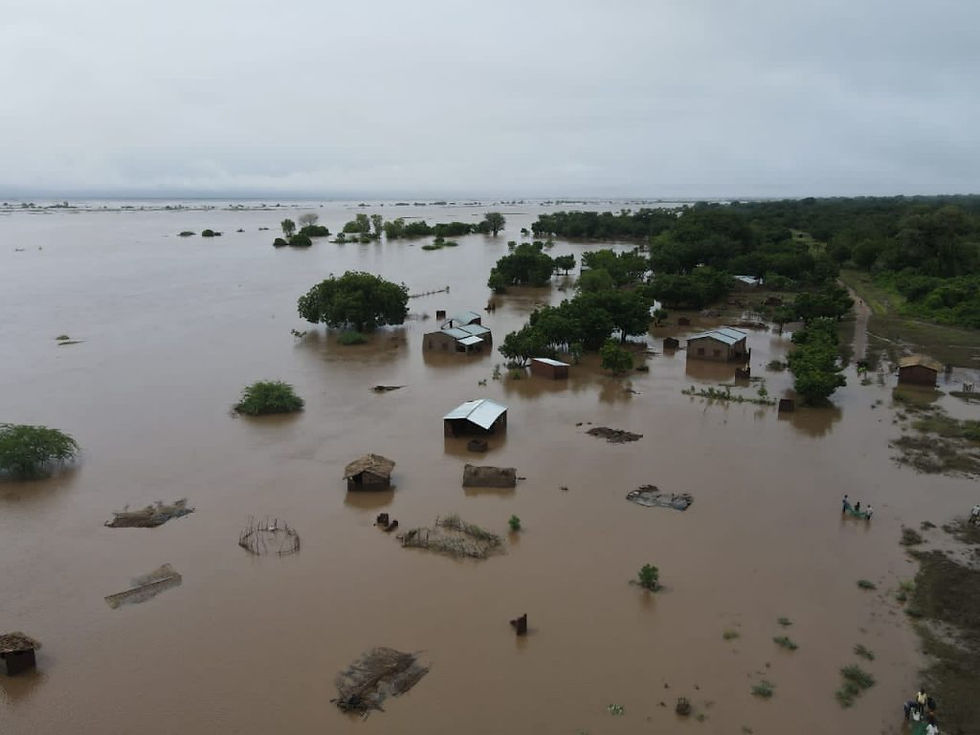
In our last update, we shared some background about the projects that World Renew is currently supporting in Malawi, and the fact that they are multi-faceted. The initial focus is on emergency food assistance, as those that are participating in the project lost everything – homes, food stores, household items, crops, and livestock – in the aftermath of Cyclone Freddy.

The food assistance is being provided through 6 monthly cash transfers – to a total of over 8,000 individual participants in the Chikwawa and Phalombe districts in southern Malawi.

Three of those monthly transfers had already occurred before we arrived, and we just completed the 6th and final distribution on March 15. One of the very interesting and relatively unique aspects of these projects is that the assistance extends beyond meeting just those most urgent needs immediately following the cyclone. It also includes activities that will allow the affected community members to start taking the first steps towards rebuilding their livelihoods. Here is a brief summary of some of the additional activities that are being supported by World Renew and the Canadian Foodgrains Bank – and coordinated by Eagles and Word Alive – the local relief and development organizations that we are partnered with in Malawi.
Agricultural Inputs – Project participants lost almost all of their crops from the flooding and the mud and rock slides triggered by the cyclone. The project provided agricultural inputs to allow participants to start planting for the next crop cycle.

The seed types and distribution timing varied by area, to ensure it was appropriate to the local environment, and aligned with the recommendations of the local community and the Malawi government’s District Agricultural Office. Seeds and seedlings provided included Maize, Sorghum, Millet, Pigeon Peas, Sweet Potato Vines, Beans, Cowpeas, Banana suckers, assorted vegetables, and a variety of fruit trees.

Without support from the project, many participants have told us that they had no idea where they would have turned to get the inputs they needed to return to farming - and to provide the food and income needed to support their families.

Agricultural Training – For almost all rural Malawians, agriculture is the primary means of generating income and providing food for their families. By adopting conservation agriculture methods, farmers can become more resilient in the face of the increasing challenges brought about by climate change. A very effective way to share this training is through a “lead farmer” approach – where specific

farmers are selected by the community and voluntarily share the training they receive with others (generally up to about 20 other assigned farmers). Our Eagles and Word Alive partners brought in these lead farmers to provide training on a number of different topics, including community food forests, permaculture, integrated animal management, integrated land use design, making compost and organic manure, water harvesting, and pest management. The lead farmers would then cascade these lessons within their community groups. We had an opportunity to observe some of these training sessions, and were very impressed by the knowledge, commitment, and skills of the lead farmers, as well as the engagement, enthusiasm, and desire to learn demonstrated by the farmers in the community. We were also able to see how the new practices are being readily adopted – and the encouraging results they have been producing.
Village Savings and Loan Associations (VSLA) – VSLAs have proven to be a very effective model within Malawi to foster economic empowerment at the grassroots level, providing participants with access to a versatile savings and loan platform. These savings groups are formed at the community level and can help to reduce poverty by financially and socially empowering poor and vulnerable people. They can also play an important role in gender equality, providing women with income and savings, and decision-making power in the home.

Within the Chikwawa district, 28 new VSL groups were formed as part of the project, each with an average of about 25 members. The cash transfers provided the means by which the project participants could make their initial purchase of shares to invest in the VSLA, and business management training was provided to all members.
As an additional income generating opportunity, each VSLA was provided with five goats - one male and four females. VSLA members were first provided with training on effective livestock husbandry practices, and were

then provided with instructions on how to construct the pens that would be necessary to house the goats. Then the real excitement started, as neighboring goat farmers were invited to a centralized location where a goat fair was held. VSLA members were able to select their five goats from all of those that were brought by potential sellers. A government veterinary officer would then inspect the selected goats to ensure they were healthy. Next comes the price negotiation - a fast paced and animated exercise - and before long, the VSLA groups were headed home with their new goat herds.

They will share responsibility for raising and breeding the goats at the group level – with the expectation that each nanny will produce an average of four kids per year. Once the herd is built up, groups of five goats will be passed-on to individual VSLA members, and they will assume direct responsibility for their own


five goats. While a relatively unique approach, this “goat pass-on” strategy has been used in southern Malawi before, and has had some very good success!
Disaster Risk Reduction - There is also first responder training planned for Village Civil Protection Committee Members. These volunteer groups exist in each village, and are made up of women and men from within the community, and are always the first on-site in the event of a natural disaster.

This training includes both rescue and evacuation training – which are often required when facing floods – and when the timeliness of the response can be the difference between life and death.

When involved in disaster response work, it’s quite easy to become immersed in the challenges that a community – or a country – is facing. We can sometimes lose sight of the beauty of the environment around us. And Malawi has so much of that beauty to offer. So, as part of our final blog post, we invite you to join us on a brief journey of the history, culture, and beauty of Malawi. What a privilege and joy it has been for us to also be able to experience some of the beauty that “The Warm Heart of Africa” has to offer.
Malawi, located in the southeastern part of the African continent, is a small
landlocked country, bordered by Zambia, Tanzania, and Mozambique. It is a country of beauty and warmth, boasting a rich tapestry of culture, tradition, and natural wonders that capture the imagination.

With a population of almost 20 million people, it is often referred to as the "Warm Heart of Africa," deriving this nickname from the warmth and hospitality of its people. Visitors are greeted with smiles that reflect genuine kindness and generosity. Despite the challenges they face, the people of Malawi embody a spirit of unity and freedom, as depicted by the national motto proudly displayed on the country's coat of arms.

A large part of Malawian culture is singing and dance which serves as an integral part of traditional ceremonies and celebrations. Whether in
churches or village communities, it is performed to mark the end of a successful harvests, commemorate weddings and funerals, or simply for entertainment, and it reflects the rhythm and joy of life that pulses through Malawi.

One of Malawi's most treasured natural wonders is the Nchisi Forest Reserve, spanning 75 square kilometers. It offers a glimpse into the natural splendor of Malawi. This sanctuary protects one of the last remaining indigenous rainforests in the country and is home to some of the most unique and diverse birdlife in the world.
Malawi means “flames,” or “fire flames,” and is named after the appearance of the kaleidoscope of colours reflecting off Lake Malawi at sunrise. Lake Malawi (also known has Lake Nyasa) is also described as The Lake of

Stars, so named by David Livingstone, a Scottish missionary/explorer, in 1859. This was due to his observation of the sparkling waters by day and the twinkling of lanterns from fishermen on their canoes, lining the horizon, at night. It covers about one fifth of Malawi’s total area and contains the largest number of fish species of any freshwater lake in the world. In fact, Cichlids are globally popular as aquarium fish because of their vivid colours.


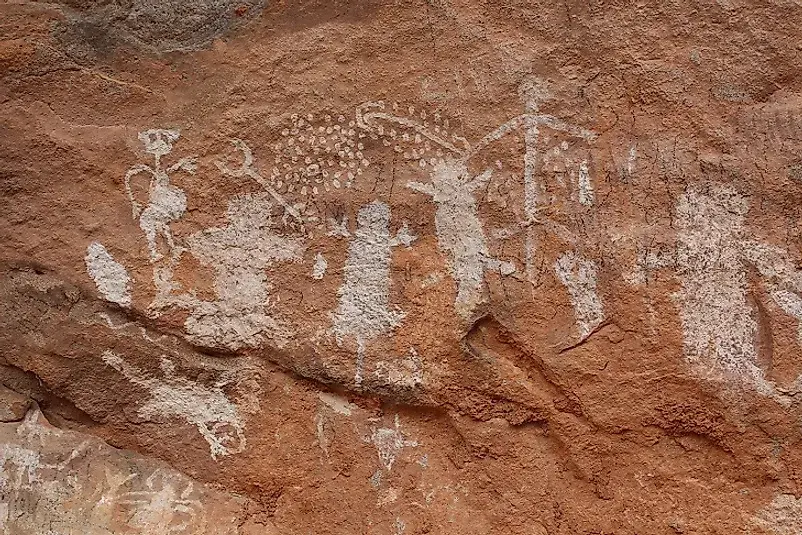
Along with Lake Malawi National Park, Chongoni Rock Art Area is another remarkable UNESCO protected world heritage site in Malawi. Sheltered within the wooded hills of the Dedza District, this distinctive location is celebrated for its vast collection of rock art. With over 100 identified sites, the region features impeccably preserved rock paintings that date back centuries. These captivating depictions offer insights into diverse facets of the Malawian existence, encompassing rituals, ceremonies, and the daily lives of indigenous communities.

Malawi is also home to ten National Parks and Wildlife reserves. One of them, Majete Wildlife Reserve, is a unique conservation and tourist destination for all visitors. Before African Parks involvement - a non-profit conservation organisation that takes on direct responsibility for the rehabilitation and long-term management of protected areas in partnership with governments and local communities - most of the

wildlife had been poached to extinction. The amazing success story of recovery and restoration and the continued protection of endangered species have led Majete to become one of the most popular reserves in Malawi. It is the only park where the Big 5, - Elephant, Lion, Leopard, Black Rhinoceros and Cape Buffalo can be seen all year round! It also hosts Elands, Nyalas, Zebras, Hippos, and over 300 species of birds.

The Thyolo (pronounced Cho’lo) Tea Estates are picturesque fields of lush green, backdropped by majestic mountains. Some of these estates date back to the early 1900’s, and today, the neatly pruned camellia sinensis evergreen shrubs give the whole area an appearance of a
meticulously maintained, but vast garden. Nestled in scenic beauty, these regions cultivate an array of tea varieties, including white, green, Oolong, and black. Even more impressive, these estates have developed an output of

Fair-Trade tea on an international scale, exporting tea around the world. This commitment to Fair-Trade principles ensures not only the quality of the tea but also the sustainability and welfare of the workers and the surrounding community. And – fun fact - tea is ranked 4th in Malawi’s export basket.
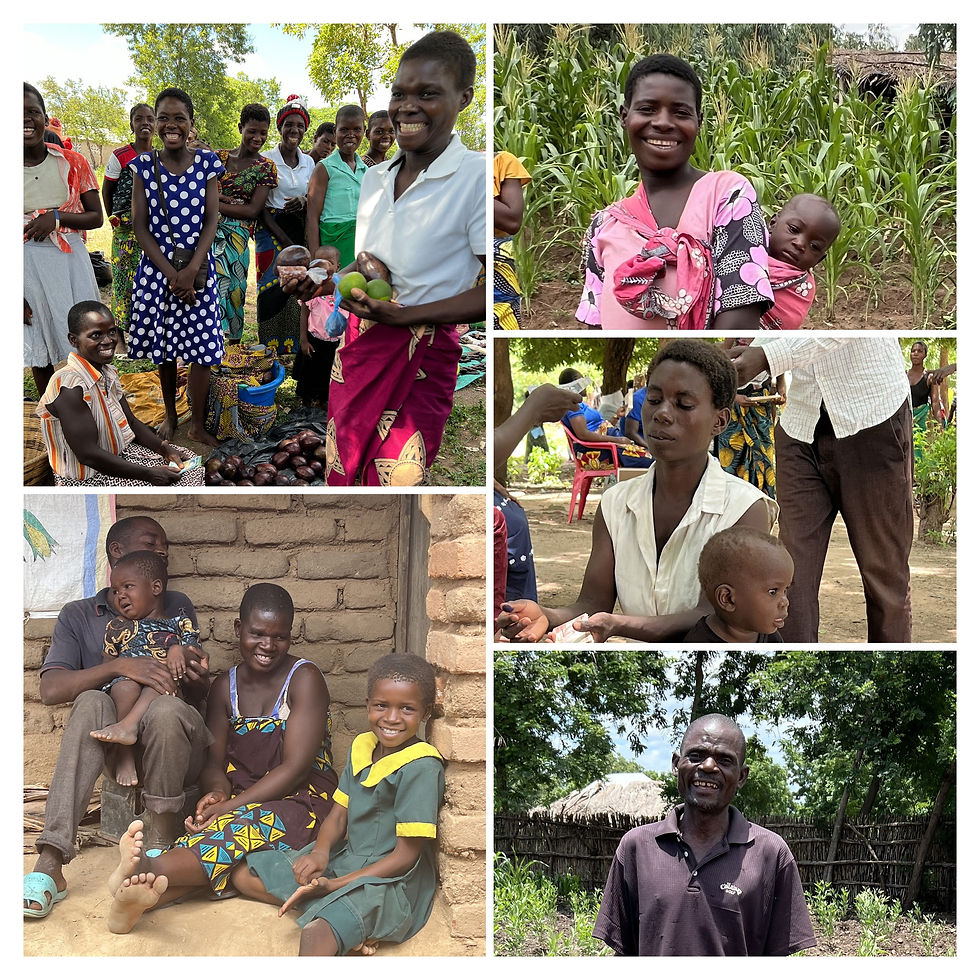
Undoubtably, the most indelible memories that remain with us throughout our journey here in Malawi is its people. They define the soul of Malawi, for beneath their warm hospitality and generous nature there resides a spirit characterized by remarkable strength, resilience, and an unwavering belief in God’s faithfulness. They continue to stand out as a beacon of hope and inspiration for us, where their courage in adversity, their belief in new opportunities, and their love of community is paramount.
Our prayer is that they maintain their perseverance and determination in the midst of the trials that they may face, and that their faith remains steadfast.
We trust this gave you a small glimpse into the beauty of Malawi, and its incredibly gracious people. The pictures below show some of the faces of the wonderful people we’ve had the opportunity to interact with. Our next update will be the last one for this project, and we will use it to share some of the courageous and inspiring stories of some of the project participants.



What an amazing post! I think you have missed your calling as a journalist. The pictures are stunning!
Hi Pam and Henry.
What a great job you did with this blog. You are going to have to give me some pointers for doing this ourselves in the future.
Most excellent blog inviting us into the Warm Heart of Africa. Thank you for sharing such a broad scope of vistas; people, social, political, geographical, and back to people. Loved reading this post